5 Dinosaur Myths Debunked: Separating Fact from Fiction in 2026
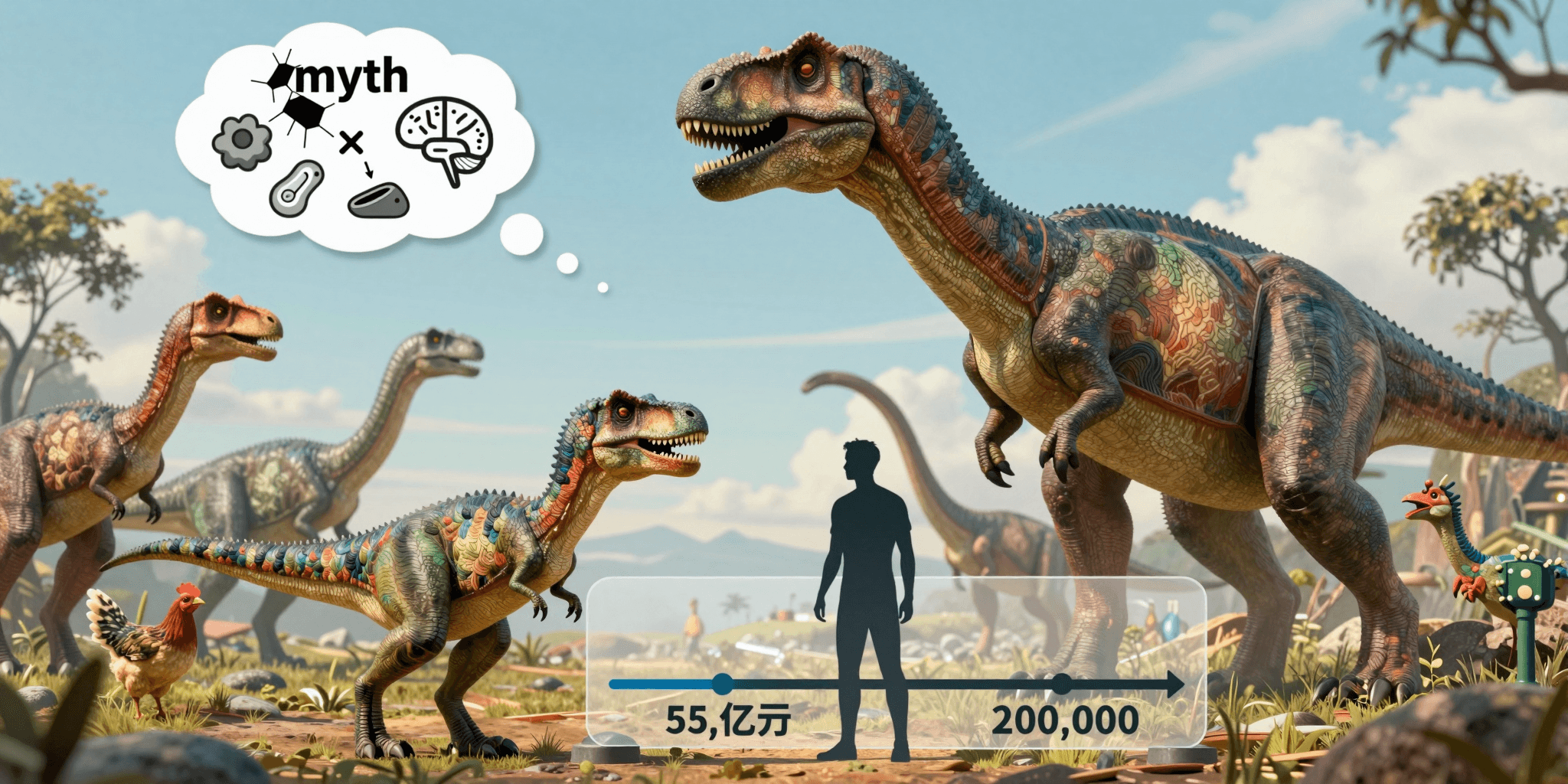
Despite decades of paleontological research and remarkable scientific advancements, persistent myths about dinosaurs continue to circulate among beginners and enthusiasts alike. As we enter 2026, many misconceptions rooted in outdated information and popular culture portrayals still shape public perception of these prehistoric giants. This article will address the top five most common dinosaur myths with current scientific evidence, debunking widespread misunderstandings about size stereotypes, intelligence assumptions, feather controversies, and the temporal relationship between dinosaurs and humans. While blockbuster movies and media have undoubtedly contributed to these inaccuracies, paleontology has made significant strides in reconstructing a more accurate picture of dinosaur biology and behavior. By examining these misconceptions through the lens of modern science, we can separate cinematic fantasy from paleontological reality and appreciate dinosaurs as the complex, diverse creatures they truly were.
One of the most persistent misconceptions in popular culture is the idea that dinosaurs and humans coexisted. In reality, dinosaurs went extinct approximately 65 million years ago at the end of the Cretaceous period, following a catastrophic asteroid impact. Modern humans (Homo sapiens) only appeared around 200,000 years ago—separated from the last dinosaurs by tens of millions of years of evolutionary history. This myth often stems from media portrayals in films and cartoons, as well as confusion with prehistoric mammals like mammoths and saber-toothed cats that did indeed coexist with early humans. The temporal gap between dinosaurs and humans is one of the most well-established facts in paleontology, supported by extensive fossil evidence and geological dating methods.
Another widespread misconception is the stereotype that all dinosaurs were colossal giants. In reality, dinosaur size was remarkably diverse, ranging from chicken-sized species like Compsognathus to massive sauropods like Argentinosaurus. Recent 2026 research has revealed that even the iconic Tyrannosaurus rex took approximately 40 years to reach its full adult size, challenging previous assumptions about dinosaur growth rates. Many dinosaurs were actually quite small, with numerous species comparable in size to modern birds and mammals. The 'all dinosaurs were giants' stereotype overlooks this incredible size diversity and fails to represent the full spectrum of dinosaurian life that existed during the Mesozoic era.
| Myth | Fact | 2026 Research Update |
|---|---|---|
| All dinosaurs were unintelligent reptiles with primitive brains | Dinosaur cognitive abilities varied significantly across species, with some theropods showing complex behaviors comparable to modern birds | Recent 2026 research reveals ongoing debates about estimating dinosaur neuron counts, with studies in The Anatomical Record challenging both simplistic "reptile-like" and "primate-like" intelligence claims, emphasizing that cognition involves multiple gray areas and species-specific plasticity |
| Tyrannosaurus rex had poor vision and relied primarily on smell | T. rex possessed excellent binocular vision with forward-facing eyes, providing depth perception superior to many modern predators | 2026 studies continue to support T. rex's sophisticated visual capabilities, with brain cavity models showing adaptations for advanced sensory processing, though researchers caution against overinterpreting neuron counts as direct indicators of specific cognitive traits |
| Dinosaur intelligence can be easily categorized as either "reptile-like" or "bird-like" | Cognitive evolution in dinosaurs was complex, influenced by thermobiological shifts from ectothermy to endothermy during the Mesozoic era | Current 2026 research highlights methodological challenges in estimating neuron counts from fossilized brain cavities, with scientists advocating for more nuanced approaches that consider comparative studies of living animals and avoid oversimplified classifications of dinosaur cognition |
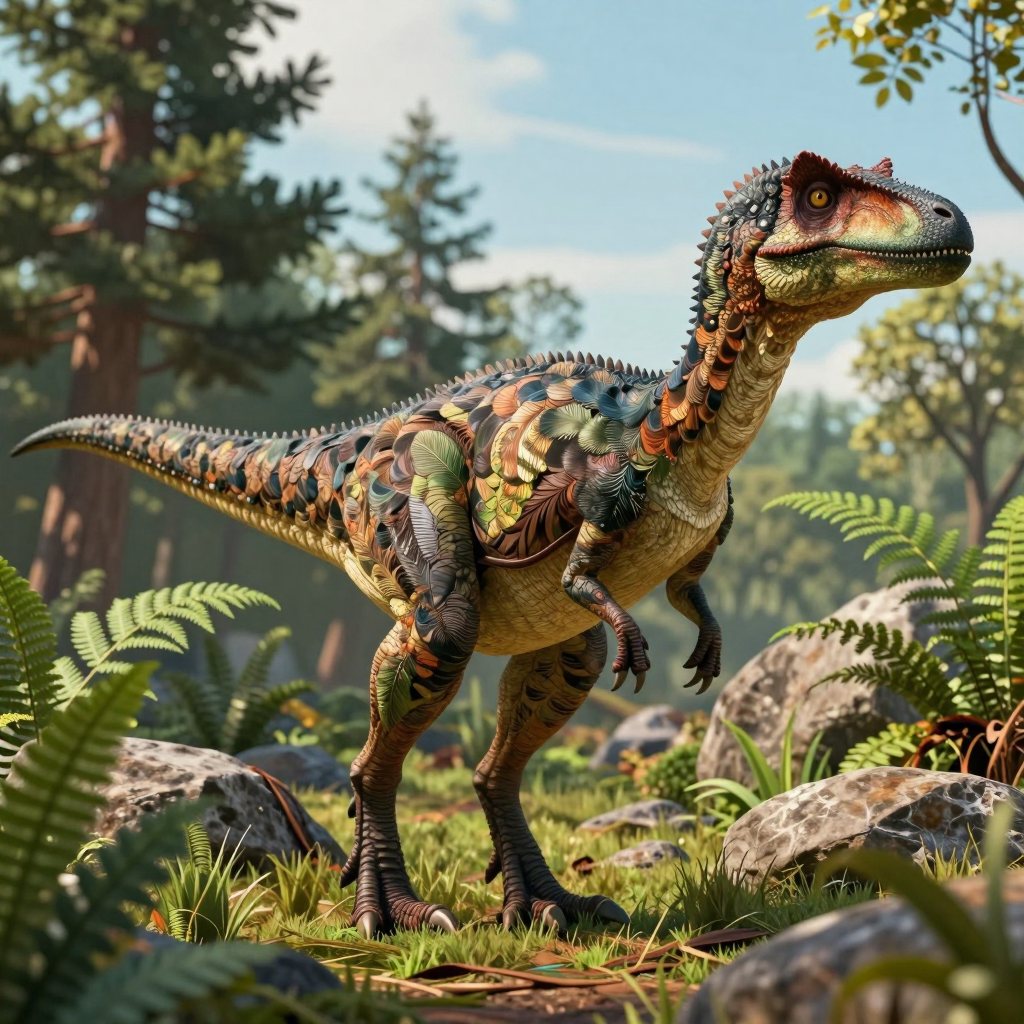
The feather controversy represents one of the most significant paradigm shifts in modern paleontology. Contrary to the traditional scaly dinosaur image popularized by media, extensive fossil evidence now confirms that many dinosaurs—particularly theropods like Velociraptor and Tyrannosaurus rex—possessed feathers or feather-like structures. Birds are living dinosaurs that inherited this characteristic, making feathers a shared feature across much of the dinosaur family tree. Recent 2025-2026 research, including studies in Biology Letters, has revealed new feathered dinosaur specimens with complex feather structures that predate the origin of flight, challenging previous assumptions about when and why feathers evolved. Despite this overwhelming scientific evidence, the misconception of scaly dinosaurs persists due to cultural inertia, outdated museum displays, and media representations that prioritize dramatic visuals over scientific accuracy. This persistence highlights the ongoing challenge of updating public perception with current paleontological discoveries.
In conclusion, the journey through these five dinosaur myths reveals how modern science continues to reshape our understanding of prehistoric life. From debunking the temporal coexistence with humans to revealing the true diversity of dinosaur sizes, intelligence, and feather coverage, paleontology in 2026 demonstrates that our knowledge is far from static. As research methods advance—from brain cavity analysis to growth ring studies in crocodile relatives—new discoveries consistently challenge outdated assumptions. Rather than clinging to pop culture representations, we should embrace the evolving scientific narrative, which portrays dinosaurs as complex, diverse creatures whose true nature is more fascinating than any myth. Stay engaged with current paleontological findings to appreciate these magnificent animals as they truly were, and recognize that the story of dinosaurs is still being written with each new fossil and study.