From Military Slang to Cue Sport: The Surprising Origin of Snooker's Name
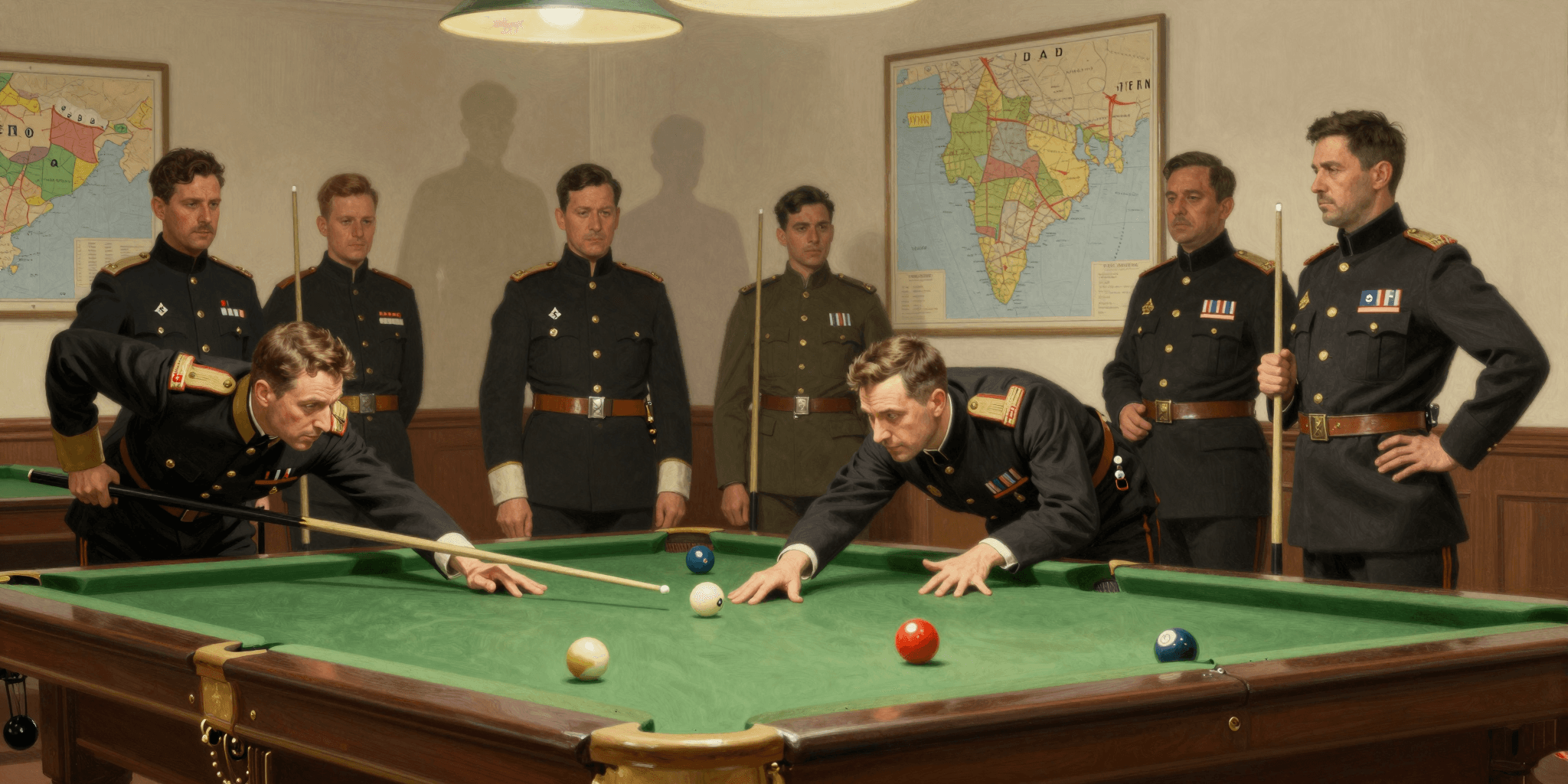
Snooker, renowned for its intricate strategy and exacting precision on the baize, presents a fascinating linguistic paradox. While the game epitomizes sophisticated cue sport mastery, its name originates from 19th-century British military slang for inexperienced soldiers—'snookers.' This blog will trace the term's remarkable journey from colonial India, where army officers first coined it to describe novices, to its adoption as the moniker for one of the world's most demanding cue sports. We'll explore how this military epithet evolved from describing green recruits to becoming synonymous with a game requiring exceptional skill and tactical acumen.
The historical context of snooker's invention is deeply rooted in the British colonial presence in India during the late 19th century. Around 1889, British Army officers stationed in India, particularly in locations like Jabalpur, sought recreational activities to fill their leisure hours, especially during the monsoon season. These officers frequented military clubs and officers' mess halls, which served as social hubs where they could escape the rigors of colonial duty. Within this environment, they experimented with existing billiard games such as 'pyramids' and 'black pool,' blending elements to create a new pastime. The social setting of these colonial clubs—characterized by ample free time, access to billiard tables, and a culture of innovation among officers—provided the perfect conditions for the fusion of military life and cue sports, ultimately leading to the birth of snooker as we know it today.
| Military Term/Concept | Snooker Connection |
|---|---|
| Snooker (military slang for inexperienced soldier) | Game name: The term was directly adopted as the name of the game, reflecting its origins in British Army slang where 'snooker' referred to a novice or first-year cadet, highlighting the ironic twist that a game of precision emerged from a term for inexperience. |
| Strategic positioning | Tactical shot placement: In military operations, positioning is key to advantage; similarly, in snooker, players must strategically place the cue ball to set up subsequent shots, emphasizing foresight and control akin to battlefield tactics. |
| Colonial officer leisure time | Game development context: British officers in India, with ample free time during monsoons, innovated snooker as a pastime in military clubs, linking the game's creation to the colonial lifestyle and recreational needs of the era. |
| Military hierarchy | Skill levels in play: Just as military ranks denote experience and authority, snooker features skill-based distinctions, from amateur to professional levels, mirroring the structured progression found in army culture. |
| British Army culture | Game's formal traditions: The game inherits formalities like strict rules, etiquette, and dress codes from British military traditions, underscoring how snooker's conduct reflects the disciplined, orderly environment of officers' mess halls. |
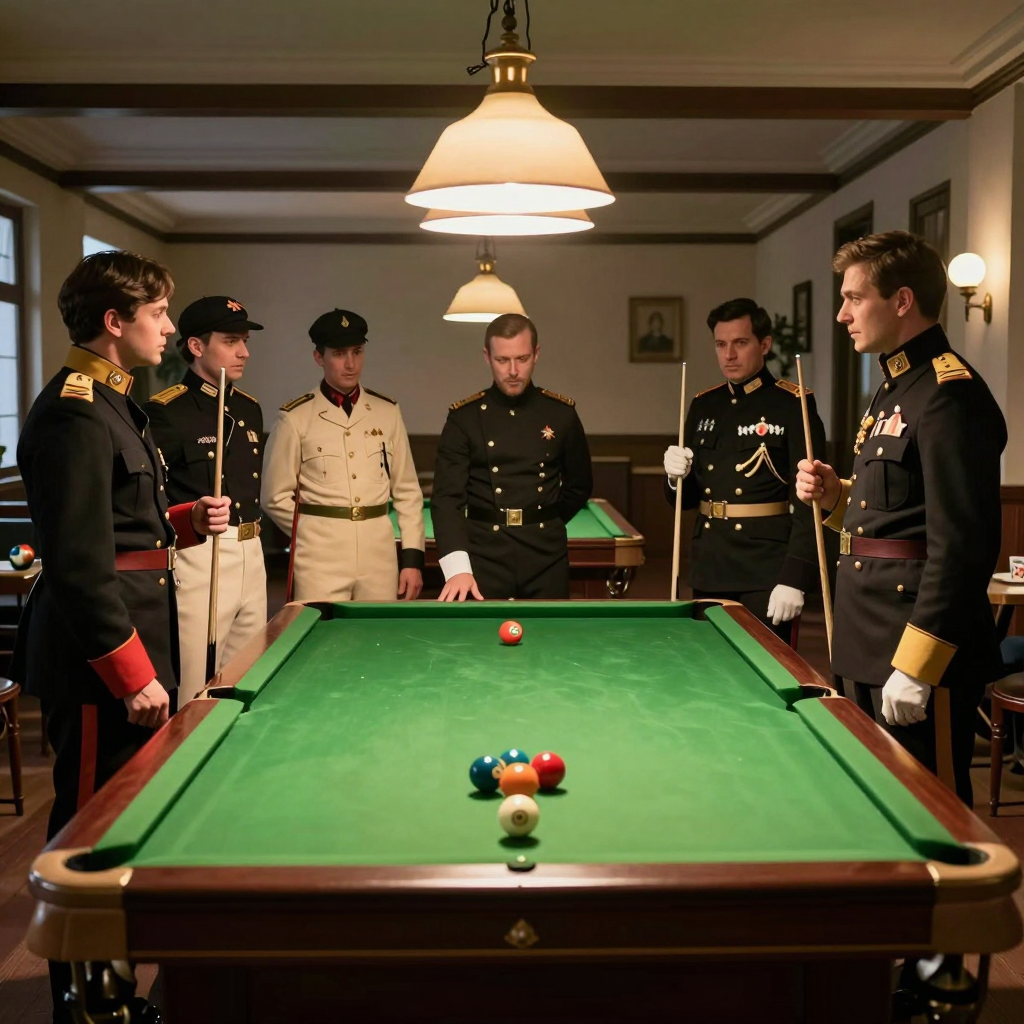
The term 'snooker' itself has a rich etymological background rooted in British military vernacular. In the British Army of the 19th century, 'snooker' was established slang for first-year cadets or inexperienced soldiers—those who hadn't yet learned military ways. The exact linguistic origins remain debated among etymologists, but it was used pejoratively to describe newcomers who were considered green or unseasoned. This military usage predates the game's invention, with the Oxford English Dictionary recording this meaning before the cue sport's naming. The term's adoption for the game reflects an ironic twist: a word originally denoting inexperience came to represent a sport demanding exceptional precision and tactical sophistication. This military slang was well-established in army circles before being applied to the game, creating a fascinating linguistic bridge between colonial military culture and sporting innovation.
The transition of 'snooker' from military slang to game name is famously attributed to an anecdote involving Sir Neville Francis Fitzgerald Chamberlain, a British Army officer stationed in India in the late 19th century. According to historical accounts, during a game of billiards in an officers' mess, a fellow player missed an easy shot, prompting Chamberlain to quip, 'You're a regular snooker.' This humorous application of the military term—used to describe inexperienced soldiers—to poor billiard play resonated among the officers. They began referring to the new hybrid game they were developing as 'snooker,' embracing the irony of naming a precision-based sport after a term for novices. The name quickly caught on within military circles in colonial India, spreading through social gatherings and clubs. While some debate persists about the exact details of this origin story, the clear path from military slang to game nomenclature is well-documented. By the 1890s, 'snooker' had firmly taken root as the game's title, eventually making its way to Britain as officers returned home, cementing its place in cue sport history with a name born from military jest.
Beyond its role as a game name, 'snooker' has evolved into a versatile verb in modern English, with 'to snooker' or 'snookered' meaning to put someone in a difficult position or to trick them. This metaphorical extension draws directly from the game's strategic essence, where players deliberately position the cue ball to disadvantage opponents, mirroring the military origin where inexperienced soldiers—'snookers'—were at a disadvantage. In both British and American English, the term has gained traction, though with slight variations: British usage often emphasizes being trapped in a tricky situation, while American usage leans more toward deception or being fooled. According to the Oxford English Dictionary, this figurative usage emerged around 1915, showcasing the word's linguistic journey from colonial army slang to a cue sport term, and now to a common expression for strategic disadvantage. This evolution highlights how 'snooker' continues to adapt, reflecting its roots in both military hierarchy and game tactics while enriching everyday vocabulary with its nuanced connotations of entrapment and trickery.
The journey of the word 'snooker' from 19th-century British military slang for inexperienced soldiers to the name of a globally recognized precision cue sport is a remarkable linguistic evolution that reveals unexpected connections between colonial history, military culture, and sports development. This etymology serves as a fascinating artifact, preserving a slice of military life from colonial India while illustrating how language can evolve in surprising and ironic ways—transforming a term for novices into one synonymous with skill and strategy. Understanding such etymologies enriches our appreciation of both language and the cultural history embedded in everyday terms, reminding us that even the names of our favorite games can carry echoes of the past, bridging worlds from army mess halls to modern sporting arenas.