Surprising Historical Truths: Ancient Tech, Complex Figures, and Art Myths Debunked
History's Greatest Plot Twists
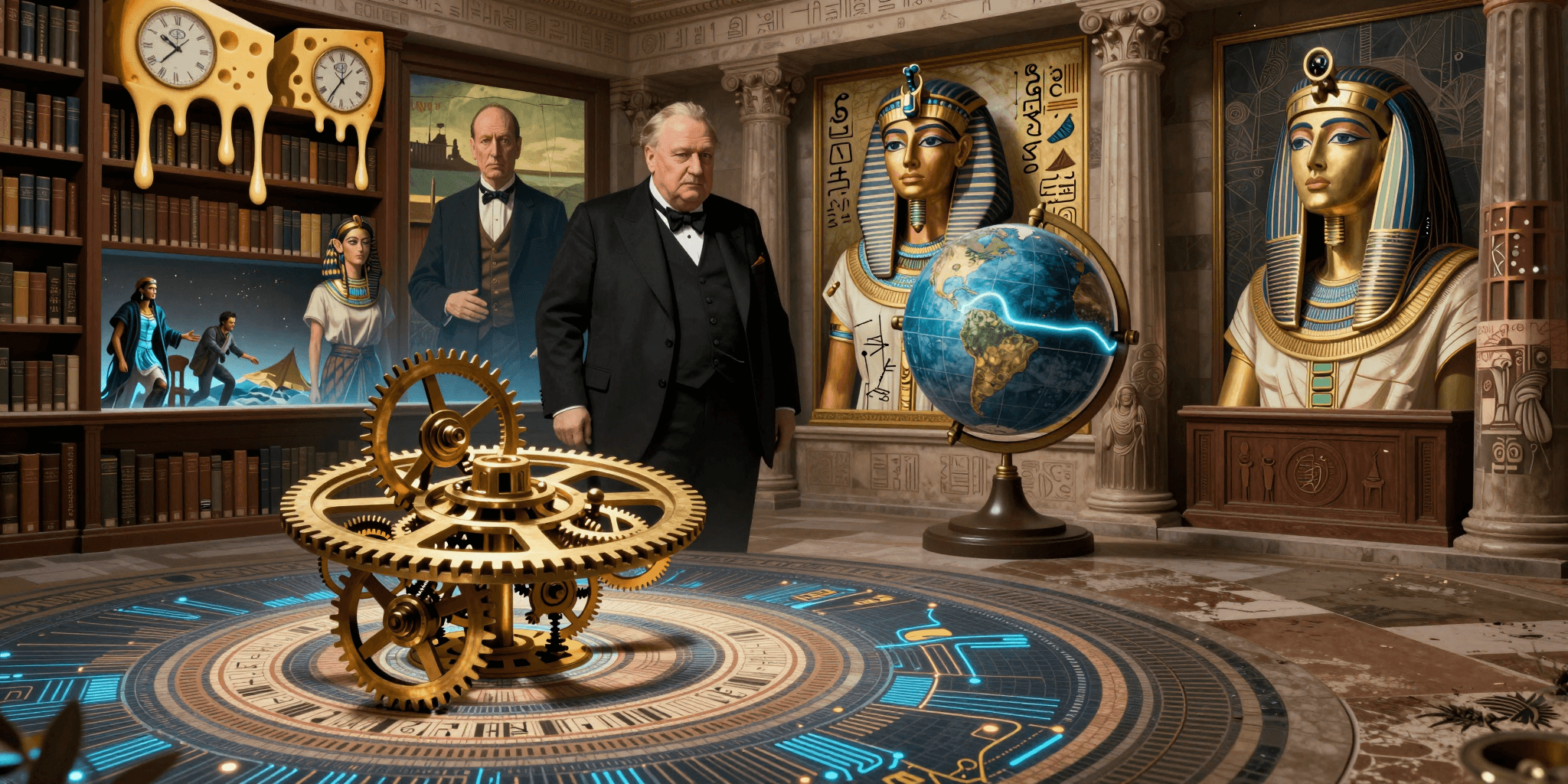
Think you know history? Think again! The past is packed with surprises that constantly upend what we thought was true. From ancient civilizations wielding technologies that seem impossibly advanced to historical figures whose real stories are nothing like the legends, our common assumptions are often spectacularly wrong. In this journey through time, we'll explore mind-bending facts about lost innovations, misunderstood heroes, and cultural myths that have shaped our world in ways you'd never expect. Get ready to have your historical certainties delightfully challenged!
Ancient Tech That Would Make Your Smartphone Blush
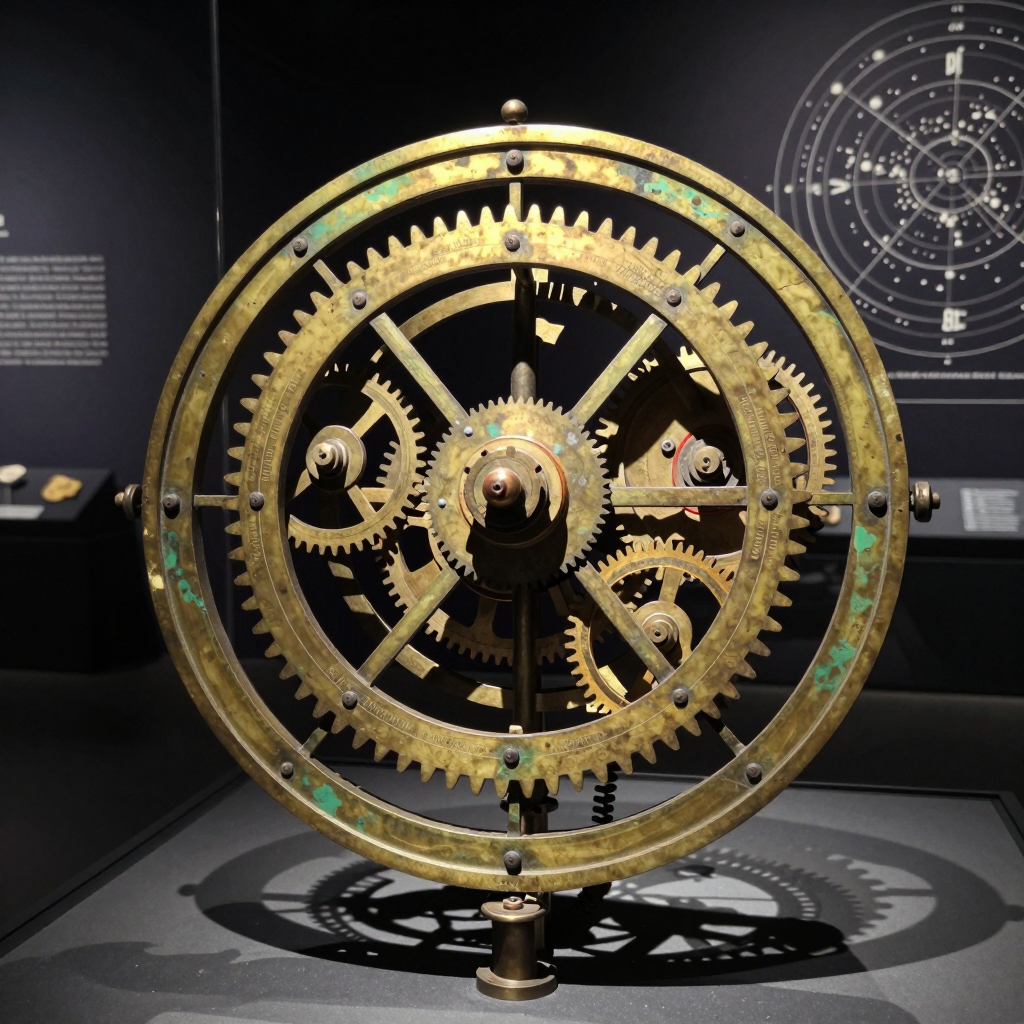
Forget the idea that ancient people were primitive! Around 100 BCE, Greeks created the Antikythera mechanism—an astronomical computer that could predict eclipses and track celestial movements with gearwork that wouldn't be matched for over a millennium. Fast forward to 2026, where AI helped archaeologists solve Roman gaming mysteries, revealing sophisticated ancient entertainment like the Ludus Coriovalli board game. From Egyptian medical papyri detailing brain surgery to Roman concrete that self-heals, these discoveries prove ancient societies were far more technologically advanced than we ever imagined.
Beyond the Caricature: The Complex Truths of Historical Figures
History often flattens complex people into simplistic caricatures, but 2026 perspectives reveal richer truths. Winston Churchill's wartime leadership is celebrated, yet his role in the 1943 Bengal famine and racial views complicate his legacy. Cleopatra wasn't just a romantic figure but a shrewd political strategist who preserved Egypt's independence. Marie Antoinette, far from the 'let them eat cake' myth, engaged in significant charitable work and political maneuvering. Nikola Tesla's eccentricities often overshadow his revolutionary AC electricity system that transformed modern power. Historical revisionism today reminds us that these figures were multidimensional, with achievements and flaws lost in popular narratives.
Art Myths That Refuse to Fade
Popular culture often distorts famous artworks into enduring myths. Grant Wood's 'American Gothic' depicts a father and daughter, not husband and wife. Salvador Dalí's melting clocks in 'The Persistence of Memory' were inspired by Camembert cheese, not Einstein's relativity. Despite the legend, the Mona Lisa's gaze doesn't actually follow viewers—scientific studies show she looks to your right. Rembrandt's 'The Night Watch' portrays a daytime militia scene; its misleading title came from darkened varnish. These misconceptions persist through incomplete narratives and cultural retellings, proving that art history is often rewritten by popular imagination rather than artistic intent.
Assumptions vs. Reality: A Historical Truth Table
| Common Belief | Surprising Historical Truth | Why It Matters |
|---|---|---|
| Ancient Greeks had primitive technology | The Antikythera mechanism (c. 100 BCE) was an astronomical computer with gearwork unmatched for over 1,000 years | Shows ancient civilizations achieved sophisticated engineering long before the Industrial Revolution |
| Winston Churchill was solely a heroic wartime leader | Churchill's role in the 1943 Bengal famine and his racial views complicate his legacy | Reminds us that historical figures are complex, with both admirable achievements and significant flaws |
| Famous artworks' meanings are as popularly depicted | Grant Wood's 'American Gothic' shows a father and daughter, not husband and wife; Dalí's melting clocks were inspired by cheese, not relativity | Highlights how cultural myths can distort artistic intent and create enduring misconceptions |
| Pope Alexander VI's 1493 division line fairly split New World between Spain and Portugal | The Treaty of Tordesillas (1494) moved the line westward, giving Portugal claim to Brazil before it was even discovered | Demonstrates how colonial powers manipulated agreements for strategic advantage, shaping modern South America |
| Ancient India-Egypt contact was limited to coastal trade | 2026 discovery of Tamil-Brahmi inscriptions in Egypt's Valley of Kings shows Indian travelers visited inland royal tombs around 1600 BCE | Reveals extensive, bidirectional cultural exchange in antiquity, rewriting understanding of ancient globalization |
| Maya civilization was sparsely populated before collapse | Recent Lidar and archaeological studies suggest Classic Maya lowlands held up to 16 million people—denser than Roman Italy | Transforms our view of pre-Columbian Americas as having advanced, densely populated urban societies |
Rethinking History: The Power of Questioning Assumptions
History is far more nuanced and surprising than textbook summaries suggest. From ancient technologies like the Antikythera mechanism to complex figures like Churchill and Cleopatra, our journey reveals that questioning assumptions leads to deeper understanding. The dots connect between advanced civilizations, multidimensional historical figures, and persistent cultural misconceptions. As 2026 discoveries—from AI-aided archaeology to new inscriptions—continue to reshape our knowledge, let's embrace curiosity. Keep exploring history with an open mind, and you'll find that the past is always ready to challenge what you think you know.